












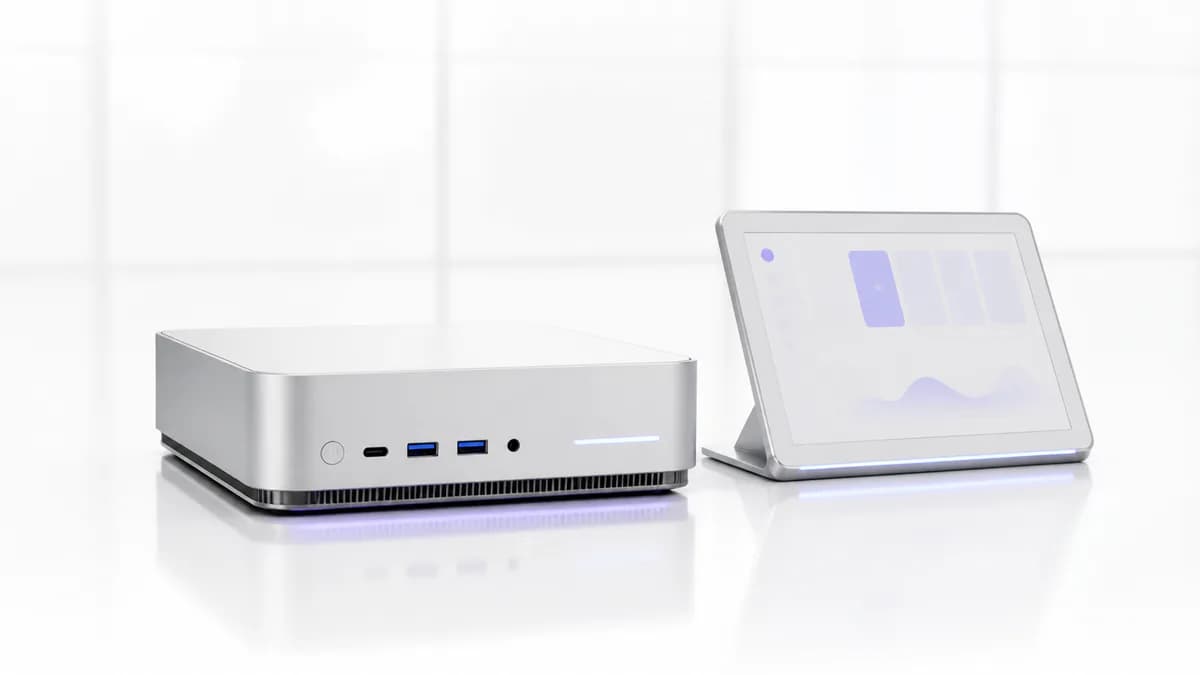
C9 helps Australian businesses manage the physical technology layer behind connectivity, Wi-Fi, voice, security, displays, endpoints and operational devices.
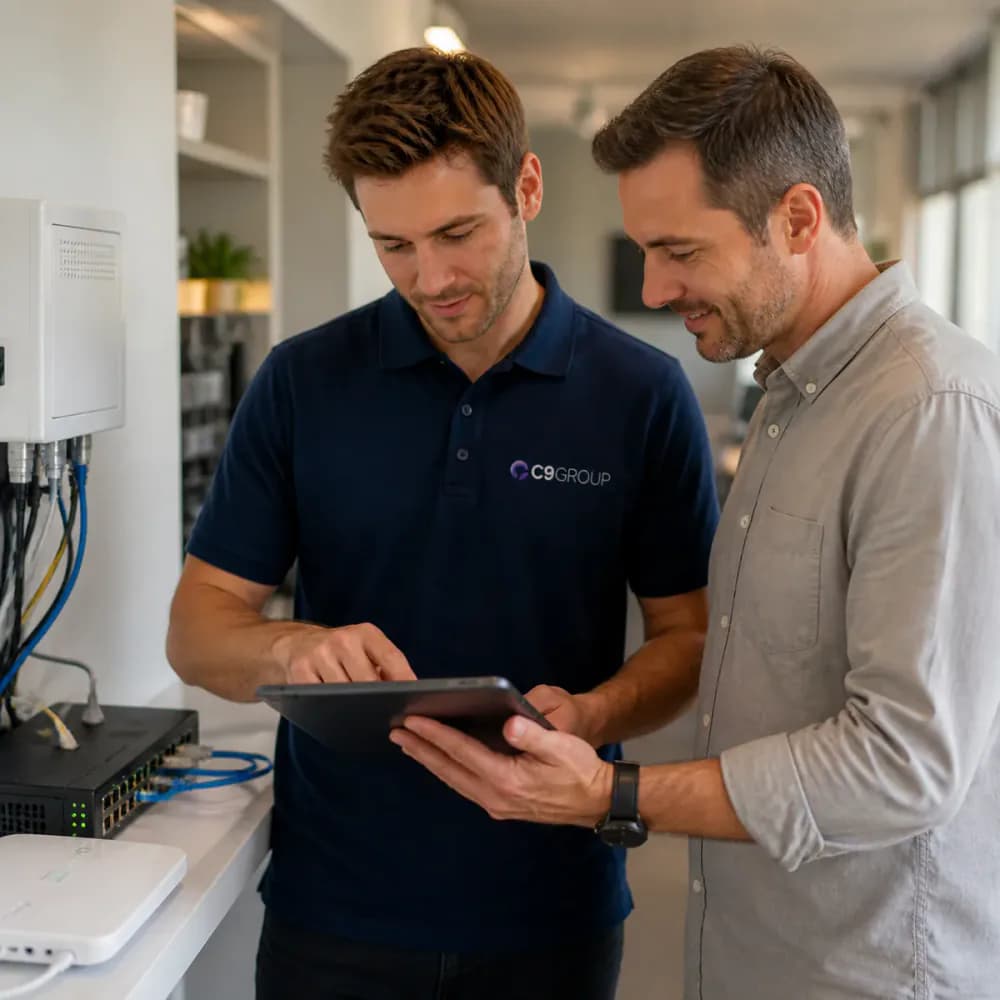
No product-only sales motion. We assess the environment, shape the hardware stack, coordinate deployment and keep support ownership visible after go-live.


Before choosing devices, understand what the business needs to keep online, who will support it and what lifecycle risk already exists.
New site
Plan network edge, Wi-Fi, phones, displays, cameras and operational devices before the install window becomes urgent.
Refresh
Turn routers, switches, phones, APs, cameras and displays into a documented device estate with replacement priorities.
Managed support
Bring vendors, carriers, installers and support into one managed path so device issues do not bounce between suppliers.

Managed hardware is not just the device. It is the configuration, support path, vendor coordination and lifecycle planning behind it.
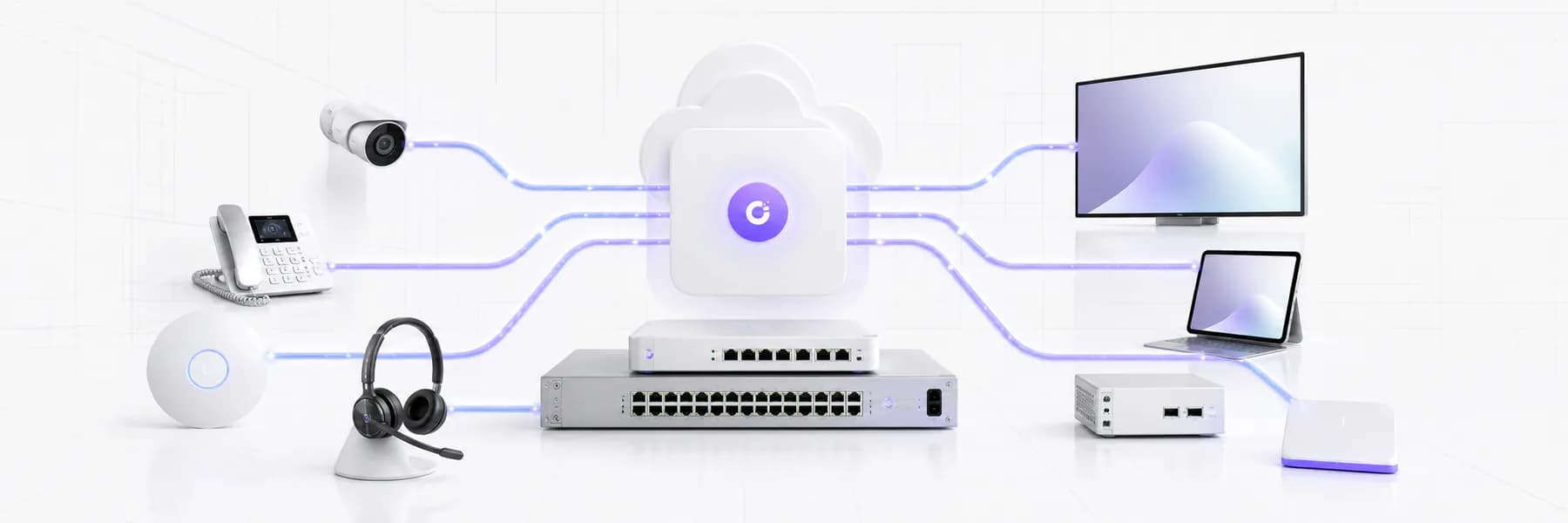
C9 connects routers, switching, Wi-Fi, voice, visibility and workplace devices into one supportable operating model.
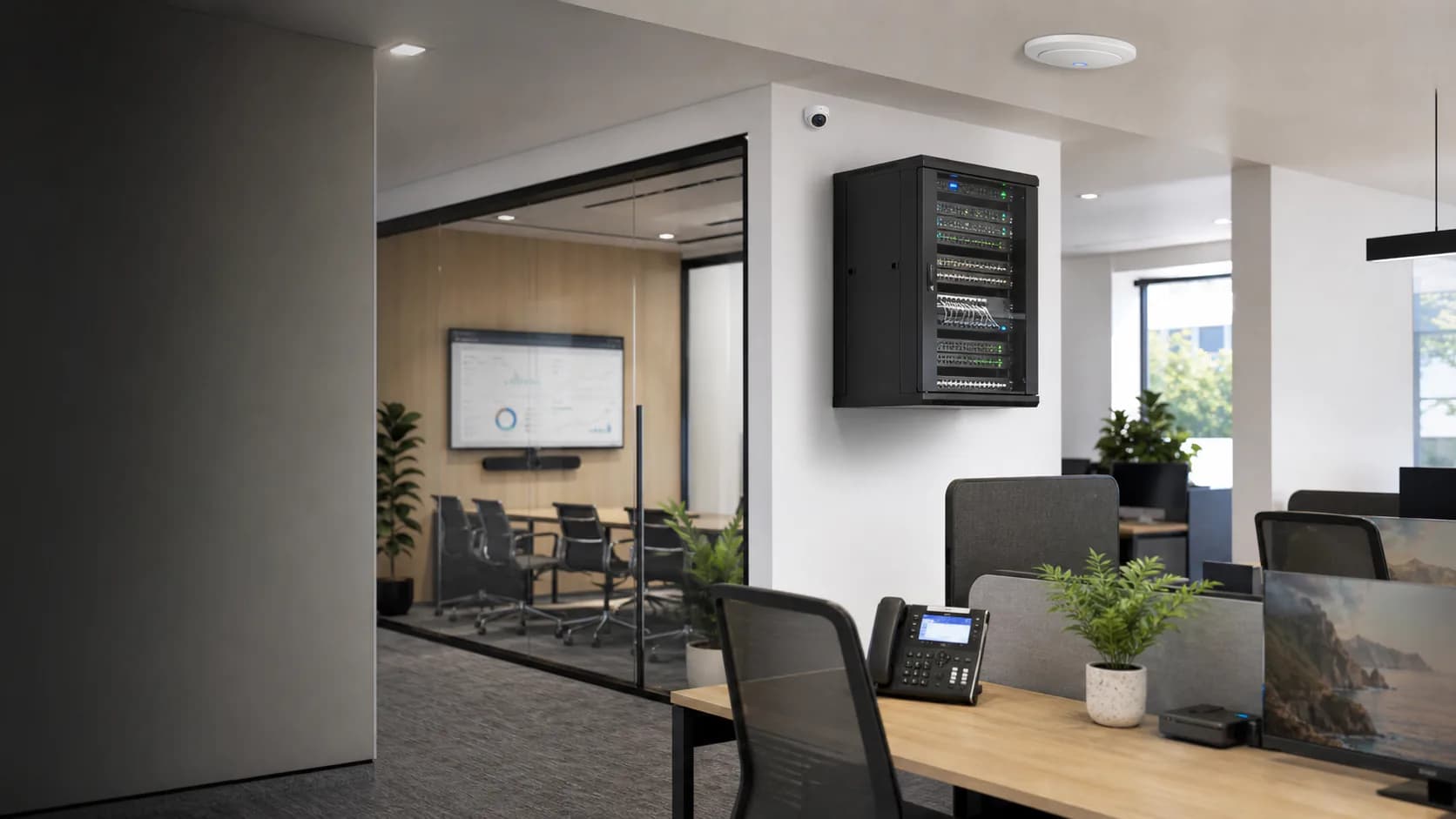
Every recommendation considers users, rooms, coverage, cabling, critical systems, warranties and post-install support.
C9 helps keep trading systems, phones, payments, security and cloud work supported through practical hardware ownership.
Move through the hardware ecosystem without turning the page into a long catalogue. Each segment can be scoped, supplied, configured and supported by C9.
C9 confirms exact scope, device count, vendor requirements, site readiness and support model after a managed hardware assessment.
See FAQDiscover
starting point
scope confirmed after enquiry
Best for
Existing device estate review
A structured review of current hardware, ownership gaps, risk, device age, support exposure and priority recommendations.
Key outputs
Project
planned rollout
site, hardware and lead time dependent
Best for
New site or refresh project
Hardware selection, procurement coordination, configuration, installation planning, testing and handover for business sites.
Key outputs
Ongoing
support model
matched to device estate
Best for
Multi-site support ownership
Ongoing visibility, configuration control, vendor escalation, replacement planning and support coordination after installation.
Key outputs
Scope, timing, hardware availability, vendor options, warranties, installation needs and managed support inclusions are confirmed after review.
Support ownership, configuration, warranty visibility and lifecycle planning are part of the C9 managed hardware conversation.
Know which devices are business-critical, who supports them, what is under warranty and what needs replacement planning.
Keep network, Wi-Fi, voice and workplace devices aligned to practical standards instead of one-off settings.
C9 coordinates with hardware vendors, carriers and service providers so faults do not become a supplier loop.
Reduce surprise failures by reviewing device age, capacity, warranty, replacement windows and future site requirements.
Use C9 when the business needs a managed path across physical devices, vendors, service providers and internal operations.
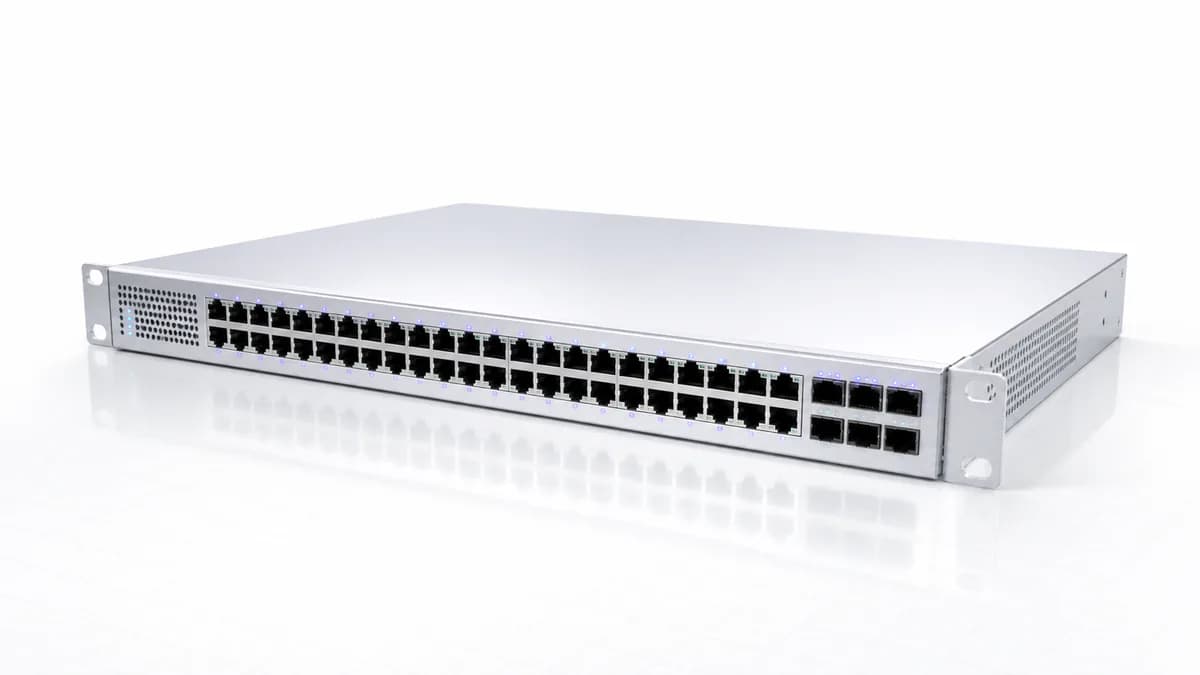
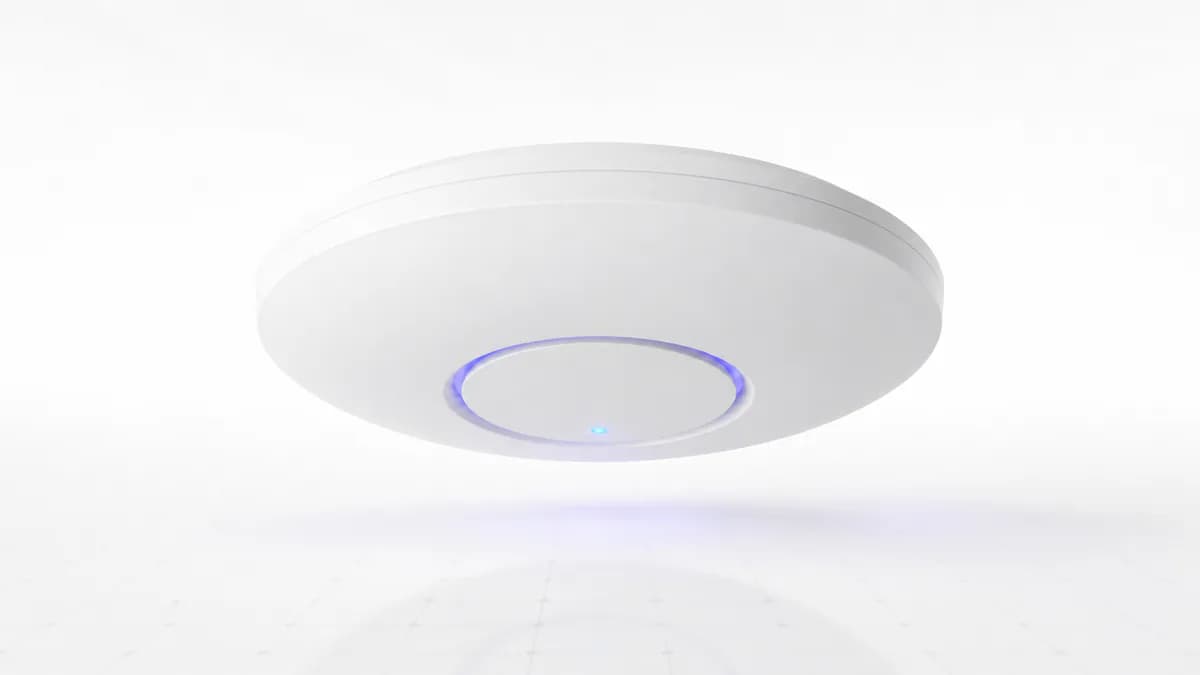
Routers, switches, gateways, firewalls and edge devices managed around secure business connectivity.
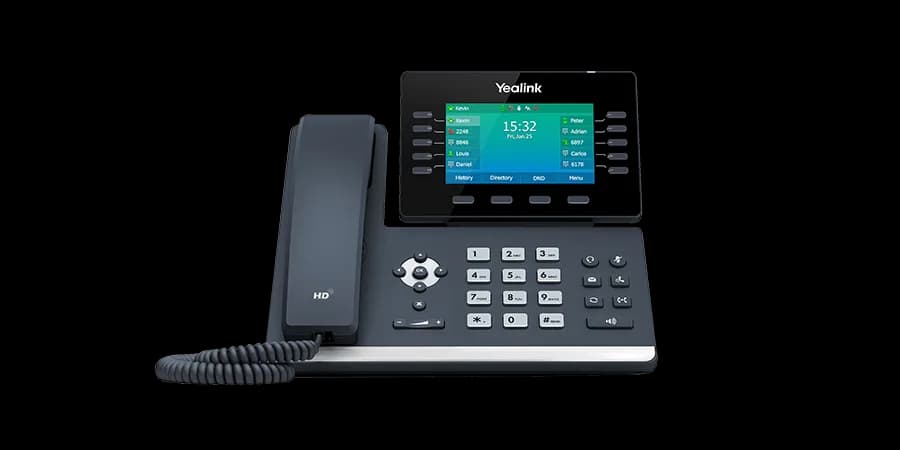
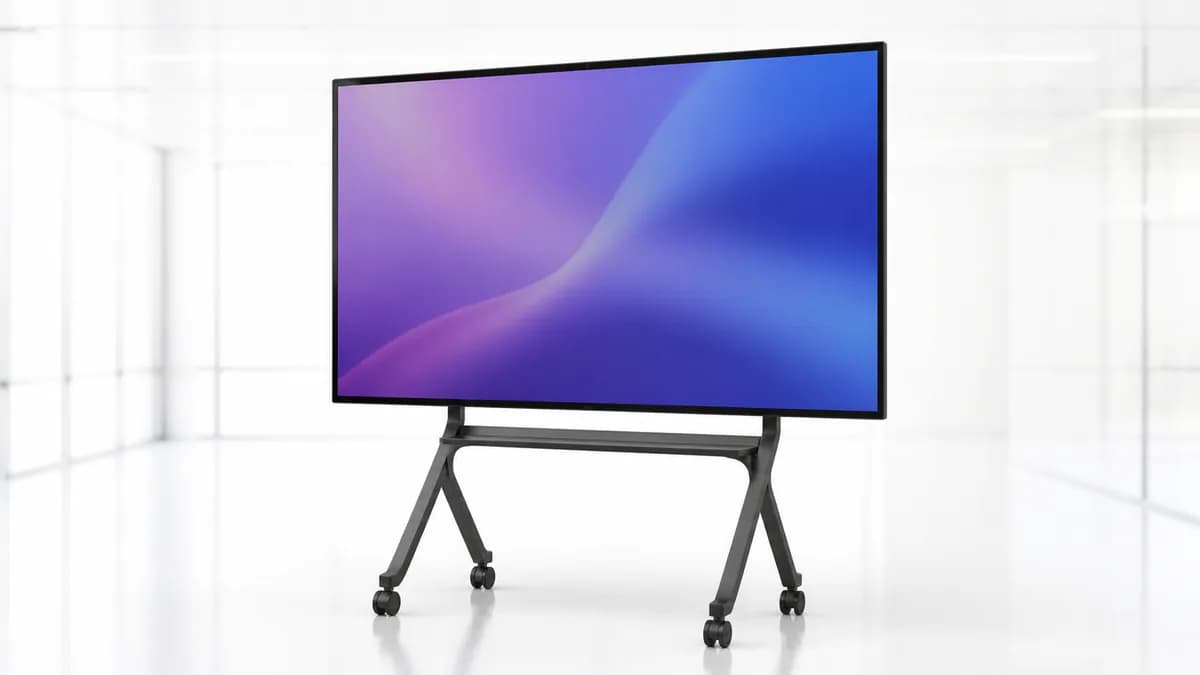
Desk phones, displays, meeting devices, endpoints and shared workplace technology supported as part of daily operations.
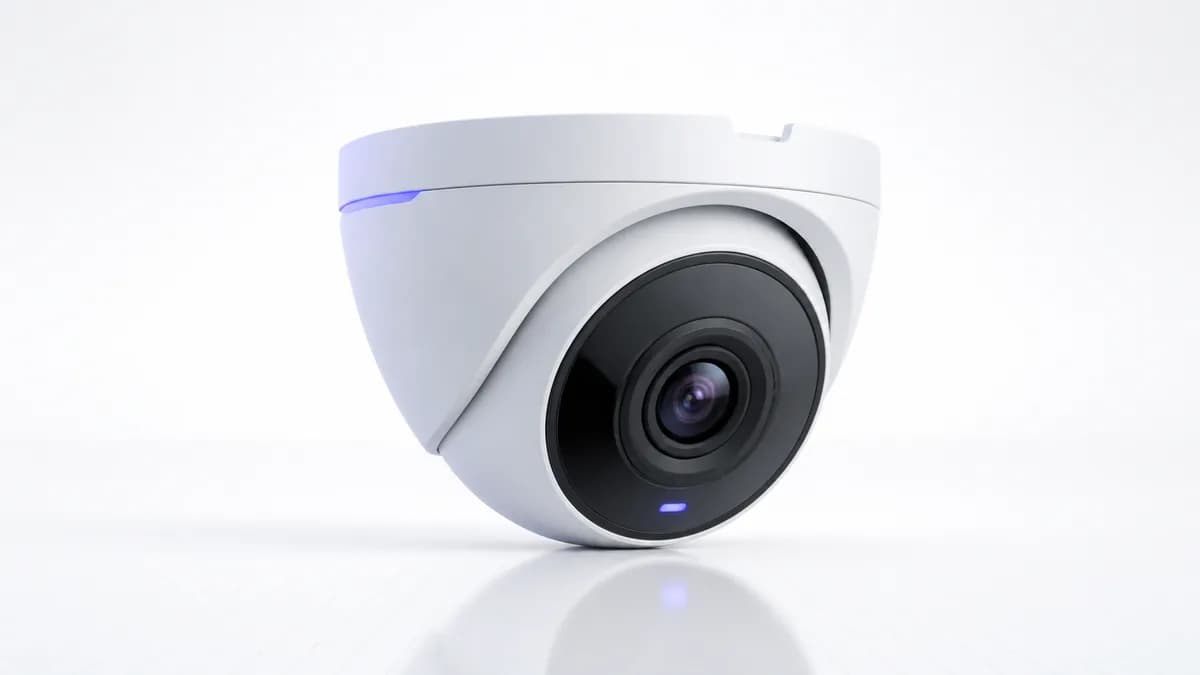
Cameras, access devices, sensors and site hardware that must connect back to business processes and support ownership.
C9 recommendation logic
If a device touches connectivity, calls, payments, cameras, Wi-Fi, meetings, signage or critical operations, C9 reviews whether it needs monitoring, configuration control, warranty visibility or a managed lifecycle path.
Use this as a quick decision matrix before comparing device quotes or replacing equipment one item at a time.
Buying approach
C9 reviews the environment, recommends suitable hardware and keeps procurement tied to support outcomes.
Devices are purchased one at a time, often without a full support or lifecycle view.
Configuration
Configuration standards, documentation and managed change conversations keep devices supportable.
Settings can drift by site, installer, vendor or urgent fault response.
Fault ownership
C9 stays involved as the accountable MSP path across vendors, carriers and device support.
Issues can bounce between carrier, hardware vendor, installer and internal staff.
Lifecycle planning
Device age, support risk, warranties and replacement timing are reviewed before disruption.
Replacement is often triggered by failure, warranty expiry or performance complaints.
Site growth
C9 can standardise hardware and support patterns across offices, clinics, stores and operational sites.
Each site can become a different hardware stack with different operational risk.
C9 can combine hardware selection, configuration, vendor coordination, monitoring and lifecycle reviews so the business has a clearer support path.
Estate: Routers, switches, Wi-Fi, phones, displays, cameras and endpoint devices identified.
Standards: Configuration, access, warranty and support ownership documented.
Support: Faults, vendor escalation and device changes routed through an accountable MSP path.
Lifecycle: Replacement windows, capacity needs and future site requirements reviewed over time.

C9 helps keep hardware health, performance, firmware, configuration and operating risk visible so issues can be reviewed before they disrupt the business.
Hardware support can include remote troubleshooting, vendor coordination and onsite attendance where needed, reducing downtime and supplier handball.
C9 can keep device ownership, warranty position, replacement priorities, service contracts and lifecycle planning connected to one managed hardware view.
C9 reviews hardware configuration, access control, update requirements, segmentation, vendor exposure and support practices around business risk.
A managed hardware model helps avoid reactive buying, duplicated devices, unsupported equipment and unpredictable support overhead across sites.
Review sites, users, devices, cabling, connectivity, rooms and operational requirements.
Shape the practical hardware stack across network, Wi-Fi, voice, workplace and visibility needs.
Coordinate availability, ordering, licensing, warranty, staging and replacement considerations.
Prepare settings, policies, documentation, voice profiles and site standards before rollout.
Keep C9 involved for monitoring, faults, changes, vendor escalation and lifecycle improvement.